
A Comprehensive Guide to Automotive Lighting Components
Automotive lighting is a full ecosystem: halogen bulbs, LED conversions, tail lights and beacons. This guide breaks down each category and what quality means for importers.
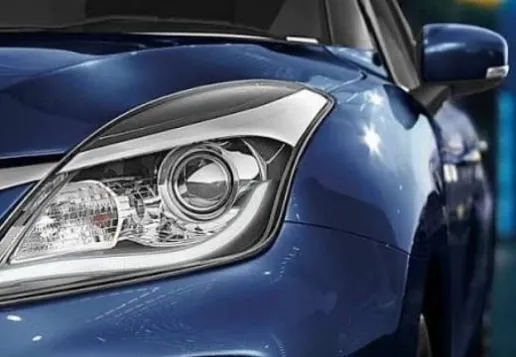
In the automotive aftermarket, lighting is far more than just a headlight assembly. It is a sophisticated ecosystem of components designed for safety, signaling, and utility. For importers and wholesalers, understanding the technical distinctions between different lighting categories is key to building a high-performance inventory. In this guide, we break down the core product categories from traditional halogens to advanced auxiliary systems and their specific roles in modern vehicle safety.
5 Core Lighting Categories
1. Halogen Bulbs: The Reliable Universal Standard
Despite the rise of LED technology, halogen bulbs remain a staple in the global automotive market due to their reliability and cost-effectiveness.
- How it Works: Utilizing a tungsten filament and halogen gas, these bulbs produce a warm light, typically 3000K to 4300K.
- Key Advantage: Halogens offer excellent light penetration in adverse weather conditions like heavy fog or rain.
Market Role: They serve as the primary Direct Replacement"(OE) part for millions of vehicles, making them a high-volume, low-risk SKU for any distributor.
2. LED Headlight Conversions: The Performance Evolution
LED (Light Emitting Diode) technology has revolutionized nighttime driving. Unlike standard bulbs, LED conversion kits focus on maximizing brightness and longevity.
- Technical Edge: Modern LEDs utilize CSP or COB chips to produce 6000K-6500K diamond-white light, mimicking daylight for reduced eye strain.
- Heat Management: Premium LEDs are equipped with high-speed cooling fans or aviation-grade aluminum heat sinks to ensure stable performance over 30,000+ hours.
Precision Beam
3. Rear & Signal Lighting: Safety Through Durability
Tail lights and signal units are the vehicle's primary communication tools. For heavy-duty vehicles and trailers, durability is the top priority.
- LED Tail Lights: These units are often IP67 or IP68 rate to survive harsh environments.
- Instant-On: LEDs illuminate 0.2 seconds faster than incandescent bulbs, providing extra braking distance for following drivers, a critical safety factor for trucks and trailers.
4. Auxiliary & Work Lights: Beyond the Pavement
Auxiliary lighting is designed for specific tasks where standard headlights are insufficient. This is a high-growth segment for off-road, agricultural, and construction sectors.
- LED Work Light Pods: Featuring high-intensity LEDs and rugged aluminum housings, these are built for vibration resistance and extreme brightness in work zones or off-road trails.
- Beam Patterns: Buyers typically choose between Spot(long-distance focus) or Flood(wide-area coverage) depending on the utility requirement.
5. Emergency & Warning Lights: The Safety Beacon
For roadside assistance, security, and construction vehicles, visibility is a matter of life and death.
- Solar-Powered Beacons: Modern warning lights often utilize solar energy and magnetic mounts, eliminating the need for complex wiring.
- Strobe Technology: Multi-pattern flashing modes ensure the vehicle is visible from 360 degrees, even in low-visibility environments.
Why Quality Matters in Lighting Procurement
When sourcing automotive lighting, the technical details determine the return rate. A bulb that flickers or a work light that leaks water costs more in reputation than the initial savings.At Autounikits, our procurement standards focus on:
- Thermal Stability: Ensuring LEDs don't overheat.
- Vibration Resistance: Essential for tail and auxiliary lights.
- Optical Precision: Correct beam alignment for all headlight replacements.
Understanding the product is the first step toward a successful partnership. Whether you are looking for high-volume halogens or specialized off-road lighting, our curated selection is engineered for performance.
Contact us for Technical Specifications & Catalog.